“September is nature’s reminder that change can be beautiful. Embrace the new season with healthy, confident hair that shines as brightly as you do.”
|
|
|---|
|
|
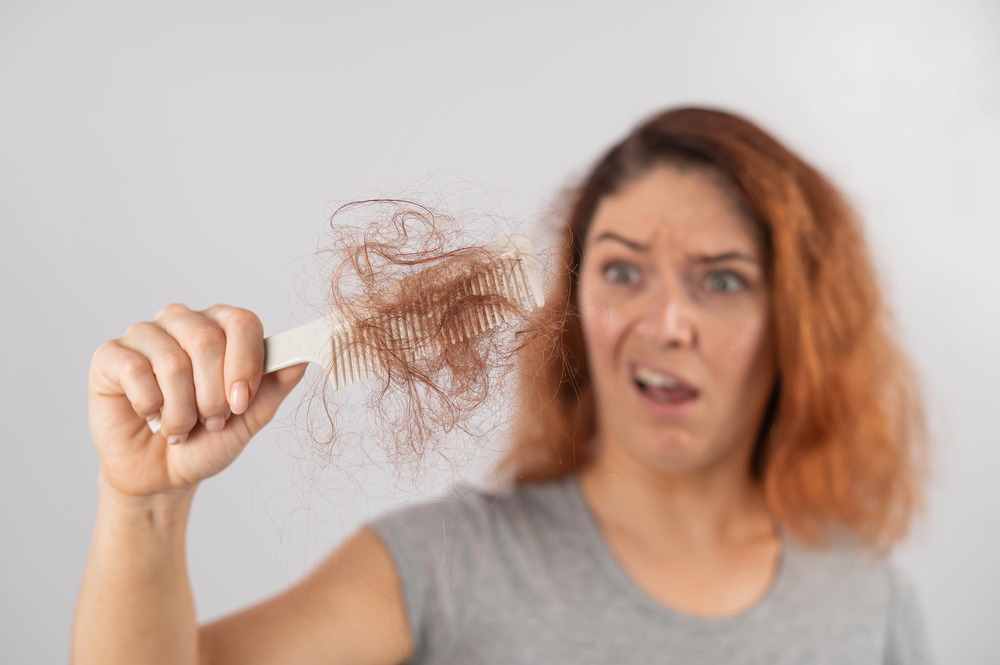 |
Tricks to Keep Your Hair Looking Fuller & Healthier
Noticed your hair looking a little thinner lately? You’re not alone—and the good news is there are simple, effective steps you can take to help it look thicker, glossier, and more vibrant again. Healthy hair starts from within and is nurtured by the care you give it every day. Here are some practical tips to help keep thinning at bay:
1. Boost Your Protein
Hair is primarily made of protein, so increasing the amount of quality protein in your diet can make a real difference to strength and growth.
2. Give Your Hair a Break
Tight ponytails, frequent extensions, and excessive heat styling put strain on the follicles and can lead to traction alopecia. Opt for looser styles, skip the extensions when possible, and ease up on the blow-dryer to give your hair (and scalp) some much-needed relief.
3. Listen to Your Body
Thinning can sometimes signal an underlying issue such as a thyroid imbalance (especially hypothyroidism, which is more common after menopause). If you’re concerned, a chat with your doctor is the best next step.
4. Check Your Vitamins
Deficiencies in B12 and Vitamin D can slow growth and contribute to thinning. Enjoy more meat, fish, eggs, and dairy, or consider a high-quality B-complex to help fill any gaps.
5. Top Up Your Iron
Low iron is one of the most common culprits behind thinning hair. Include lean red meat in your meals or speak with a professional about a suitable iron supplement to support stronger growth from the inside out.
6. Nourish Your Scalp
A healthy scalp is the foundation of healthy hair. Ask your stylist about targeted treatments and products designed to keep the scalp in great condition and encourage fuller-looking results.
7. Never Skip Conditioner
Skipping conditioner can leave hair dehydrated, brittle, and more prone to breakage. Choose a lightweight formula with panthenol and glycerin to moisturize without weighing fine or fragile hair down.
Your hair reflects your overall wellbeing—small, consistent changes can make a noticeable difference. Pop in for a consultation anytime; we’re always happy to help you find the right products and styles for healthier, fuller-looking hair.
|
|
|---|
|
|
SEPTEMBER 2026 EVENTS
2 – V-J Day (Victory over Japan Day, WWII)
7 – Labor Day (first Monday of the month)
11 – 9/11 Remembrance
13 – Grandparents Day (first Sunday after Labor Day)
17 – Constitution Day
19 – Oktoberfest begins in Munich, Germany (runs through October 4)
21 – International Day of Peace (United Nations)
22 – Autumnal Equinox
25 – Native American Day (fourth Friday of the month) |
|
|---|
|
|
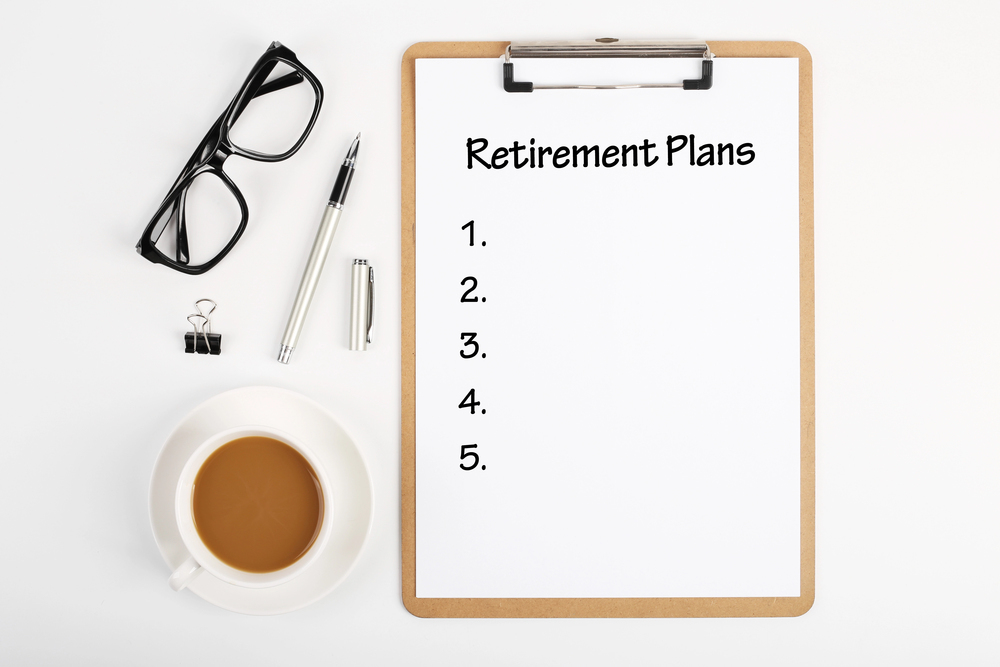 |
ARE YOU PREPARED FOR RETIREMENT?
No matter your age, 2026 is the perfect time to get serious about retirement planning. That day when you can sleep in and leave work behind may still feel distant—or it might be closer than you think. Building a nest egg is essential, but it’s only one piece of a much larger puzzle.
Social Security faces ongoing challenges, and the age to claim full benefits continues to rise. Relying solely on it is riskier than ever. Take time now to research your options and consider working with a trusted financial advisor who can help you create a realistic, personalized plan.
Good health isn’t guaranteed, and neither is long-term economic stability. The happiest retirees are those who stay engaged—pursuing hobbies, volunteering, learning new skills, or even taking on fulfilling part-time work. Developing those interests today will make the transition smoother and more enjoyable later.
Stay physically active and prioritize your health now, and that retirement milestone will arrive feeling far more like an opportunity than a shock.
If you’re not yet on solid footing, here are practical strategies to consider:
* Work a few extra years to strengthen your savings and delay withdrawals.
* Explore ways to free up home equity if it makes sense for your situation.
* Pay down high-interest debt as aggressively as possible.
* Invest in your health—prevention and wellness pay dividends for decades.
* Delay claiming Social Security to increase your monthly benefit.
* Cut discretionary spending today and redirect those dollars into savings.
* Review your 401(k) and investigate whether a self-directed option could offer greater long-term growth potential than your current investments.
The sooner you start refining your plan, the more options—and peace of mind—you’ll have when the time comes.
|
|
|---|
|
|
 |
WHAT TO DRINK AFTER A WORKOUT?
After a tough workout, what do you reach for—water, a sports drink, or something else? Research suggests that milk may actually be one of the best choices for recovery.
A British study found that dairy is particularly effective for post-workout recovery. Milk naturally delivers hydrating water along with protein, carbohydrates, and electrolytes—all of which support muscle repair and replenishment.
Even chocolate milk performs well. Research from Indiana University shows it contains roughly double the carbohydrates and protein of regular milk, making it especially useful for refueling tired muscles. It also has a high water content to restore fluids, supplies calcium, stays relatively low in sodium, and includes just enough sugar to help restore energy levels.
Unlike plain water, the carbohydrates in chocolate milk can be metabolized to help replenish glycogen stores in your muscles.
Next time you finish a workout, consider reaching for a glass of milk—it might be the simple recovery boost your body needs.
|
|
|---|
|
|
|
|
 |
THOSE AUTUMN LEAVES
Instead of cursing the leaves as they fall, bagging them up, and sending truckloads to the landfill, consider a better approach. Those same leaves can enrich your garden while helping reduce greenhouse gases and waste.
Few people realize that fallen leaves make up one of the largest single contributions to landfills by volume. A study from roughly a decade ago found that more than eight million tons of leaves were delivered to landfills across the country each year. It doesn’t have to be that way.
Viewed as a resource rather than yard waste, leaves become a free, nutrient-rich gift for your lawn, roses, trees, and vegetable garden. With the exception of black walnut, eucalyptus, and oleander leaves (which should be avoided), most others will give your soil a healthy boost and leave your neighbors envious of your thriving beds.
Yes, it takes a little more effort than simply raking and bagging. Leaving whole leaves on the lawn all winter isn’t ideal either—rain and snow leach away many of their valuable minerals. A smarter option is to use them right away as mulch under trees and shrubs or in areas where you want to suppress weeds next spring. You can also run a lawn mower over the leaves to shred them and leave them in place; the fine pieces break down quickly and feed the grass.
For a longer-term solution, pile the leaves, enclose them with metal fencing or wire, and turn the pile occasionally with a garden hoe or hay fork. In about six months you’ll have rich, dark leaf mold—an excellent soil amendment that absorbs up to five times its weight in water. Worked into heavy clay, it transforms the texture into a much more plant-friendly medium. Any leftover leaf mold can go straight into your regular compost pile, where it will continue to break down and feed the worms.
Handle this year’s leaves wisely, and by next spring you’ll find yourself looking forward to the next autumn cascade.
|
|
|---|
|
|
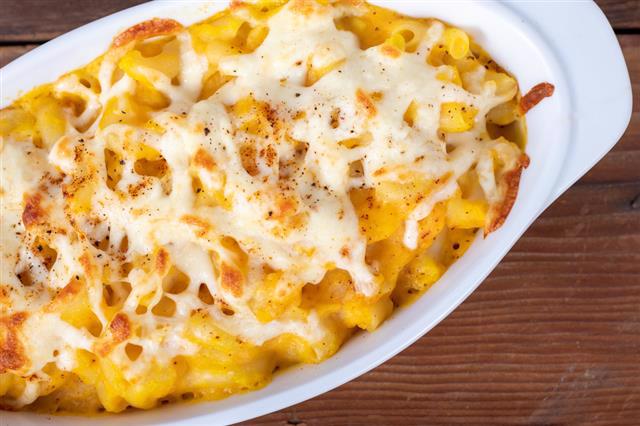 |
RECIPE OF THE MONTH
BUTTERNUT SQUASH MAC AND CHEESE
Ingredients:
1 pound of dried pasta salt (to taste)
4 tablespoons butter
1/2 onion, finely chopped
3 cloves garlic, finely chopped
1 tablespoon fresh thyme leaves
4 tablespoons flour
2 cups milk, at room temperature
2 cups (8 ounces) grated aged/sharp cheddar
2 (15 ounce) cans butternut squash (or canned pumpkin)
1 teaspoon Dijon mustard
1/4 teaspoon ground cayenne pepper
1/4 teaspoon freshly ground black pepper
For the breadcrumb topping:
2 cups fresh breadcrumbs
1 tablespoon grated Parmesan cheese
2 tablespoons melted butter salt and pepper (to taste)
Directions
Cook pasta in a large pot of salted, boiling water, and drain 2 minutes shy of the package instructions. Transfer to a large bowl and set aside. Preheat an oven to 375°F and set an oven rack in the middle position.
Melt butter in a large skillet over medium heat, then add the onion, garlic, thyme leaves and a pinch of salt. Cook, stirring occasionally, until onions are soft (about 5 minutes). Stir in the flour and cook for 3 minutes, then stir in the milk and cook until just starting to thicken (about 3 minutes). Take the sauce off the heat, then stir in the cheddar until fully incorporated. Add butternut squash, mustard, cayenne and black pepper, stirring to combine. Season to taste with salt.
Pour cheese sauce into the bowl with the pasta until the macaroni is coated in sauce. Using a spatula, transfer pasta and sauce into a 9" x 13" baking dish.
Combine breadcrumbs, Parmesan cheese and melted butter in a medium bowl, tossing until crumbs are evenly coated in the butter. Season with a pinch of salt and several shakes of black pepper. Sprinkle breadcrumb topping evenly over the shells and cheese.
Bake in the oven until the breadcrumbs are golden brown and sauce bubbles around the edges (25 - 30 minutes).
|
|
|---|
|
|
 |
Back to School: Let’s Do This (With Snacks and a Sense of Humor)
The backpacks are dusted off, the pencils are sharpened (or at least purchased), and the collective parental sigh of relief can be heard across the neighborhood. Summer’s glorious chaos is packing its bags, and it’s officially back-to-school season.
Whether you’re sending a kindergartener who still thinks recess is the main subject or a high-schooler who has already perfected the art of the dramatic eye-roll, this time of year comes with its own special mix of excitement, mild panic, and an inexplicable urge to buy more binders than anyone will ever use.
Here’s the fun part: back-to-school doesn’t have to feel like a military operation. Treat it like the fresh start it is. New notebooks equal new possibilities. A clean lunchbox is basically a blank canvas for culinary creativity (or at least something that isn’t last week’s forgotten yogurt). And those first-day outfits? Pure runway potential—whether it’s a carefully chosen ensemble or the “I found this clean-ish shirt” look.
A few lighthearted survival tips for the season:
* Celebrate the little wins. Survived the first drop-off without tears (yours or theirs)? That’s championship-level parenting.
* Stock the pantry like you’re preparing for a very polite apocalypse. After-school hunger is real and it does not negotiate.
* Embrace the early bedtime routine… eventually. The first week of earlier nights may feel like jet lag, but your future self will thank you.
* Remember that teachers are superheroes in sensible shoes. A simple thank-you note or a well-timed coffee gift card goes a long way.
Most importantly, keep the mood light. Kids pick up on our energy. If we treat the start of the school year like an adventure instead of a sentence, they’re more likely to do the same.
So grab that shiny new planner, pack a little extra patience (and snacks), and dive in. The bell is about to ring, the leaves are starting to turn, and a whole new chapter is waiting. Here’s to fresh starts, full lunchboxes, and making it through September with most of our sanity intact.
You’ve got this.
|
|
|---|
|
|
|
|
|---|
|
|
Please feel free to share our Newsletter with your Friends, Family, and Co-Workers! We are always happy to take on new clients!
|
|
|---|
|
|
|